
Construction Equipment Work Lighting: How to Reduce Blind Spots, Shadows & Poor Task Visibility
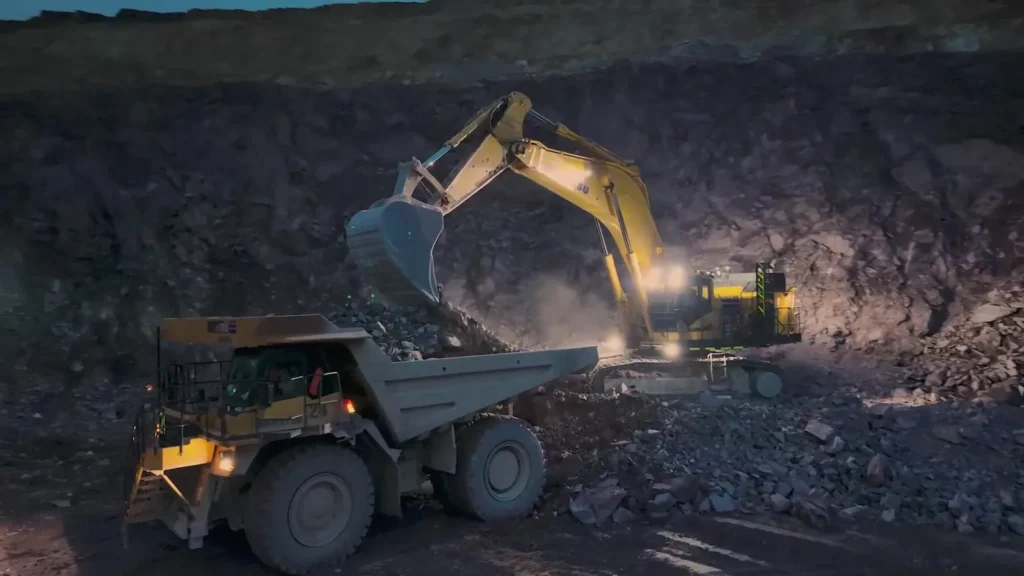
A work light may look powerful on a bench, but once it is installed on an excavator or wheel loader, the boom, bucket, lift arms or attachment can block part of the beam. Construction machinery also changes position through the task cycle, so a lamp position that works while parked may not illuminate the same target during operation. The key question is: What exactly does the operator need to see, and what part of the machine may block that view?
Start With the Work Zone
Different construction tasks create different visual targets. An excavator may need to reveal bucket teeth, a trench edge or floor, a receiving truck body or a swing-area work zone. A wheel loader may need visibility of the bucket edge, stockpile face, truck or hopper target and rear work area.
Dozers and graders may need surface texture, a blade or moldboard edge, grading references and side work-zone context. These examples are not a universal equipment catalogue. They show why the target area should be defined before choosing the lamp.
Why Machine Geometry Creates Shadows
Construction machines move their own structures through the light path. An excavator boom can interrupt cab-mounted light. A raised loader bucket can block forward illumination, and an attachment can change the visible work zone. A dump body can also change rear or perimeter visibility.
This is dynamic shadowing in plain terms: the machine can create a moving shadow while it works. A lamp position that looks effective when the machine is parked may not work through the full operating cycle. Check the whole movement range rather than judging one static view.
Beam Coverage Should Match Working Distance
Broad or flood-oriented coverage is useful when the task area is nearby and wide. A more concentrated distribution may be useful when a defined task area is farther away. Different mounting positions on the same machine may need different distributions because they see different zones.
Spot and flood are useful descriptions, but they are not rigid universal categories. The working distance and width of the task area should guide beam choice before headline lumen figures. DXZ LED Work Lights should be considered through the actual work zone and installed evidence.
Mounting Position Can Be More Important Than Another Lamp
Adding more lights does not automatically solve a visibility problem. A different mounting location may sometimes expose a target that a high-mounted lamp misses. Cab or roof positions can cover broad work zones but may be blocked by booms or attachments. Lower or distributed positions may reveal other surfaces, while attachment or boom-mounted lighting may follow a moving task zone in some applications.
Rear work-area lighting is a separate task from regulated reversing or warning functions. There is no universal mounting position for every excavator, loader or grader. Final location should be validated on the actual machine, with its structure, attachment and operating cycle.
Dust, Glare and Surface Contrast Matter
More light is not always more useful. Dust and airborne material can reflect light back toward the operator, while very frontal illumination can flatten surface texture in some grading or earth-moving tasks.
The goal is usable contrast on the work area, not the brightest-looking beam from the cab. Consider the dust, weather and maintenance environment using verified product data, and validate the installed result in representative conditions.
Work Lighting Is Not the Same as Every Other Vehicle Light
Work lighting illuminates a task or work zone. Forward travel lighting may serve a different driving function, a reversing lamp is a separate function, and a beacon or warning light serves conspicuity or warning purposes.
These categories may be installed on the same machine, but they should not be mixed during product selection. Match the light to the function and the visual target.
A Simple Construction Equipment Lighting Checklist
- What exact task or area needs better visibility?
- Which machine structure can block the light during operation?
- Is the required coverage broad and close, or more directional?
- Where can the lamp be mounted so the target remains visible through the task cycle?
- Does the electrical setup match the actual machine?
- Does the product suit the dust, vibration, weather and maintenance environment based on verified product data?
Conclusion
Good construction-equipment lighting starts with the work zone, machine geometry and installed beam—not the largest wattage or lumen figure. Define the task, examine how the machine moves through the light path and validate the mounting position in realistic conditions. Explore DXZ LED Work Lights or share the machine and mounting requirements with DXZ OEM/ODM for a more application-specific discussion.